WATER ejectors

MARINE THRUST ejectors
Marine thrust ejectors have no mechanical moving parts and are powered by external water pumps or pressure steam.
Their purpose is to generate underwater thrust without propellers, eliminating moving parts and reducing noise.
The induced ejector flow is 5–25 times the input flow.
These systems are intended for ships and marine vehicles. (photo Henri Coandă)
The product requires further development.
Usual ejector types for this application are:

WATERJET propulsion
Waterjet propulsion ejectors have no mechanical moving parts and are powered by external water pumps or pressure steam.
They generate thrust without propellers, using induced flows 5–25 times the input.
Designed for ships and marine vehicles, these systems require further development. (photo Wikipedia)
Usual ejector types for this application are:
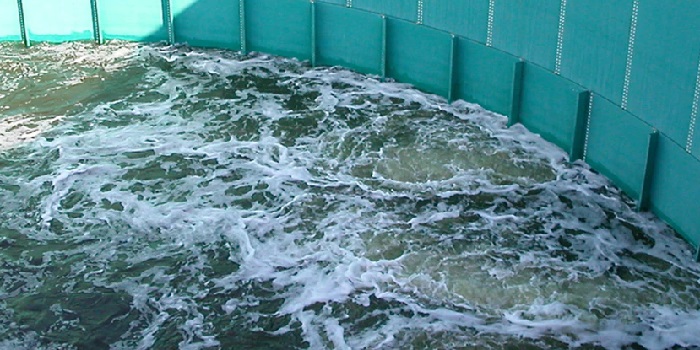
WASTEWATER plants
Wastewater ejectors increase oxygen levels by absorbing fresh air into a water jet through the ejection phenomenon.
They also create smart internal water circulation patterns, mimicking natural oxygenation processes.
Powered by external pumps or steam, they have no mechanical moving parts. (photo aeration tank)
Usual ejector types for this application are:
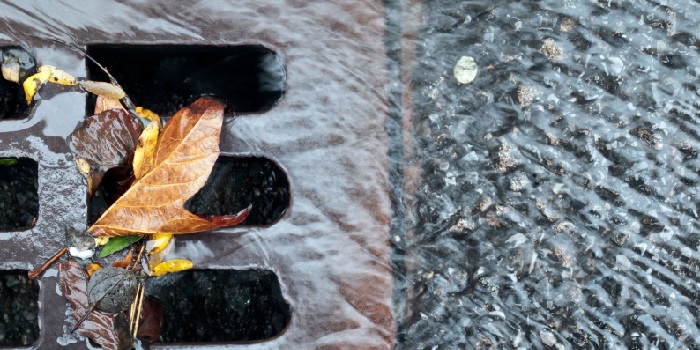
STORMWATER management
Stormwater ejectors create strong suction to support drainage canals during heavy rainfall.
They operate for short periods (minutes or hours) and require no maintenance.
Sticks, leaves and mud pass through without damaging the device.
Induced flow is 1.5–10 times higher than normal drainage. (photo stormwater detail)
Usual ejector types for this application are:

IRRIGATION for lands
Irrigation ejectors are large devices with no mechanical moving parts, powered by pumps or steam.
They move large water flows to supply irrigation channels.
Installed in barrages or channel inlets/outlets, they require no maintenance.
Induced flow is 5–50 times the input, depending on output pressure. (photo watercalculator.org)
Usual ejector types for this application are:
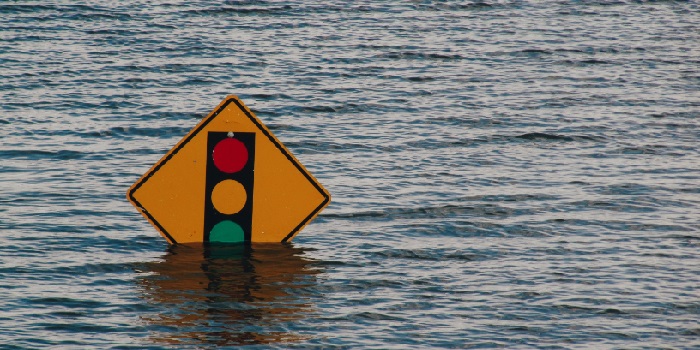
FLOODS
Flood-control ejectors remove large water volumes after flooding events.
They have no mechanical moving parts and are powered by high‑pressure, low‑flow pumps or steam.
Sticks, leaves, mud and debris pass through without damage.
Induced flow is 5–50 times the input. (photo flood detail)
Usual ejector types for this application are:
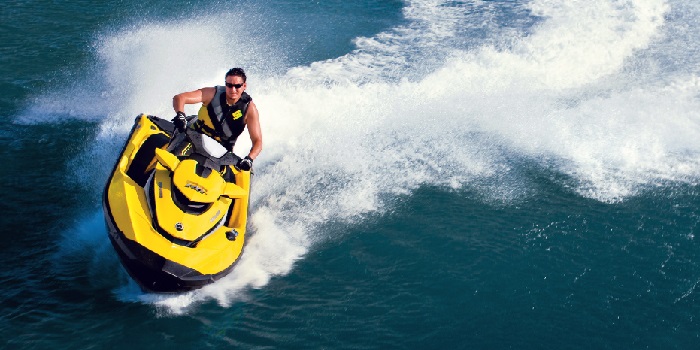
PERSONAL WATERCRAFT
Personal watercraft ejectors generate thrust without propellers or moving parts.
Powered by pumps or steam, they induce flows 5–25 times the input.
Designed for small marine vehicles, the system requires further development.
(photo bluewavejetskirentals.com)
Usual ejector types for this application are:
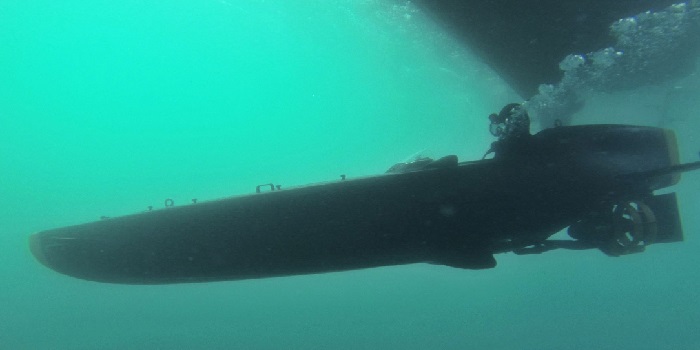
SUBMARINES
Submarine ejectors generate underwater thrust without propellers, eliminating external moving parts and sound emissions.
Powered by pumps or steam, they induce flows 5–25 times the input.
The system requires further development. (photo therebeldandy.com)
Usual ejector types for this application are:
STEAM & VAPOUR THRUST
Steam & vapour thrust ejectors generate underwater propulsion for ships and submarines without propellers.
No propeller means no sound emission.
Powered by pressure steam, they induce flows 5–25 times the input.
This technology was first designed and tested by Henri Coandă. (photo elements.envato.com)
Usual ejector types for this application are: